
Steel Manufacturing In Mexico
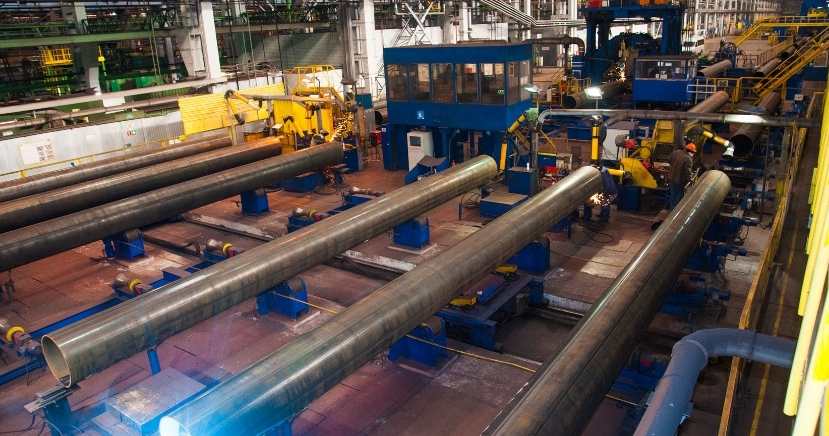
Mexico is the second-largest producer of steel in Latin America and it stands at the 13th position worldwide. Steel is mostly used in the automotive and construction industries. Most of the steel produced is in the states of Coahuila, Veracruz, Guanajuato, Nuevo Leon, and Michoacan.
Copyright © 2021-2022 MX Sourcing Services All Rights Reserved | Terms & Conditions | Privacy
Mexicosourcingservice.com

Plastic Injection Molding in Mexico
Most plastic injection molding is centered around major industrial centers in the country.
Copyright © 2021-2022 MX Sourcing Services All Rights Reserved | Terms & Conditions | Privacy
Mexicosourcingservice.com

Paper Manufacturing in Mexico
Mexico is a major manufacturer producing millions of metric tons of paper every year. There are a number of global brands as well as locally owned, family companies.
Copyright © 2021-2022 MX Sourcing Services All Rights Reserved | Terms & Conditions | Privacy
Mexicosourcingservice.com

Raw Material Production in Mexico
Forestry
Mexican forests are rich in many different types of wood including Palms, Mahogany, Cedar, Oak, and Pine. As in many countries, fast-growing Pine is a popular wood with many species being grown locally.
Timber harvesting plants are located in Chihuahua, Durango, Jalisco, Michoacán, Oaxaca, Chiapas, and Guerrero. Mexico’s timber production costs are said to be as much as 40% above the world average. It is therefore more cost-effective for the furniture industry to import most of their hardwood.
Minerals
Mexico is a major producer of 12 minerals, three of which are sold in significant volume to the US. It is the second-largest producer of fluorspar in the world behind China and has a calculated reserve of 32,000 tons. More than 2/3rds of its production is exported to the United States.
The country has 3,100 tons of reserves of graphite and is the world’s eighth-largest producer with 1/3rd of its volume going to the US. The third most important mineral imported by the United States is strontium. Mexico is the world’s second-largest producer at 56,500 tons in 2016 (the latest data available), with the United States importing 55 percent.
Mining
Mexico is the world’s leading producer of silver at 5,372 metric tons (189.5 million ounces). It is responsible for 21% of global production, followed by Peru (15%), China (12%), and Australia and Russia (each at 6%). About 70% of the silver produced in Mexico is exported, the remainder is sold on the domestic market.
Zacatecas produces the most with nearly 50% of the total supply, followed by Chihuahua with nearly 20%, Durango at 12%, and Sonora at 7%.
There are 5 major coal mines operating in Mexico. All are located in the state of Coahuila.
The Micare Mine is a surface and underground mine owned by Altos Hornos de Mexico SAB de CV. It produced an estimated 4.756 MTPA of coal in 2020.
The Mimosa Unit Project is also owned by Altos Hornos de Mexico SAB de CV. This surface and underground mine produced an estimated 2.172 MTPA of coal in 2020. The mine will operate until 2053.
The Progreso Mine is owned by Carbonifera De San Patricio and produced an estimated 1.101 MTPA of coal in 2020.
The Nueva Rosita Mine, owned by Grupo Mexico SAB de CV, is a surface mine and produced an estimated 0.036 MTPA of coal in 2020.
Santa Barbara Coal Mine is Owned by Mineria y Energia del Noreste. It is a surface mine and produced an estimated 0.035 MTPA of coal in 2020.
Gems The most significant fire opal deposits in the world are found in Mexico. Rock strata containing opals run through the Mexican highlands. They are generally extracted in open-cast mines. Other collector favorites are also found here including amethyst, danburite, grossular, apatite, rhodochrosite, topaz, and many others.
At least sixty minerals were first found in Mexico. In addition to silver, many other metals including gold, copper, iron, molybdenum, lead, zinc, manganese, arsenic, and tellurium have been mined here. Around 1/3 of all silver that has been mined has come from Mexico.
Oil & Gas
Mexico is one of the largest oil producers in the world (1.8 million barrels per day in 2018), and the fourth-largest in the Americas after the United States, Canada, and Brazil. In 2018, the United States imported over 210 million barrels of Mexico’s heavy crude and exported over 1.2 million barrels of refined petroleum products (more than 70 percent of Mexico’s domestic gasoline, diesel, and jet fuel consumption) to Mexico. Oil is a crucial component of Mexico’s economy and earnings from the oil industry accounted for about 32 percent of total government revenues in 2018.
It has an estimated 17 trillion cubic feet (Tcf) of proven natural gas reserves. Natural gas is increasingly replacing oil as a feedstock in power generation. However, higher levels of natural gas consumption will likely depend on more pipeline imports from the United States or liquefied natural gas (LNG) imports from other countries. Mexico has an estimated 545 Tcf of technically recoverable shale gas resources, the sixth-largest in the world.
Copyright © 2021-2022 MX Sourcing Services All Rights Reserved | Terms & Conditions | Privacy
Mexicosourcingservice.com

What is an HS code?
Among the industry classification systems, Harmony System Codes (HSC) are often used for goods throughout the export process. A harmony system is a standardized numerical method for classifying goods. It is used by customs authorities around the world to identify products and collect statistics when determining tariffs and taxes.
HS is managed by the World Customs Organization (WCO) and is updated every 5 years. It serves as the basis for the import /export classification system used in the United States and many trading partners. The HS issues specific six-digit codes for various classifications and products.
Countries may add a long code to the first 6 digits for further classification. The United States uses a 10-digit code to classify products for export. This is called the schedule B number and the first 6 digits are the HS number. All physical products, from paper clips to airplanes, have a Schedule B number.
Many online platforms provide a free and widely available online Schedule B search tool that can be used to classify your products. The Schedule B search tool is the most widely used method for classifying products.
If you have difficulty classifying your products, the Customs Rulings Online Search System (CROSS) database can help you find your Schedule B code. CROSS contains official legally binding decisions by other exporters and importers seeking a Schedule B code. Use this database to determine if other exporters or importers have requested and if so, made decisions on the same or similar products. To find the HS code of the product in other countries, one can use the search tool in the foreign customs database.
It is critical that you get an accurate match of your product to the relevant HS code. Some importers try to game the system to avoid tariffs, particularly in bound to the US. We always recommend you do your own research as well as discuss this with your manufacturer as well as your customs agent. This will ensure you do not face an unexpected problem at the border along with penalties that may be charged or worse, a denial of entry.
Copyright © 2021-2022 MX Sourcing Services All Rights Reserved | Terms & Conditions | Privacy
Mexicosourcingservice.com
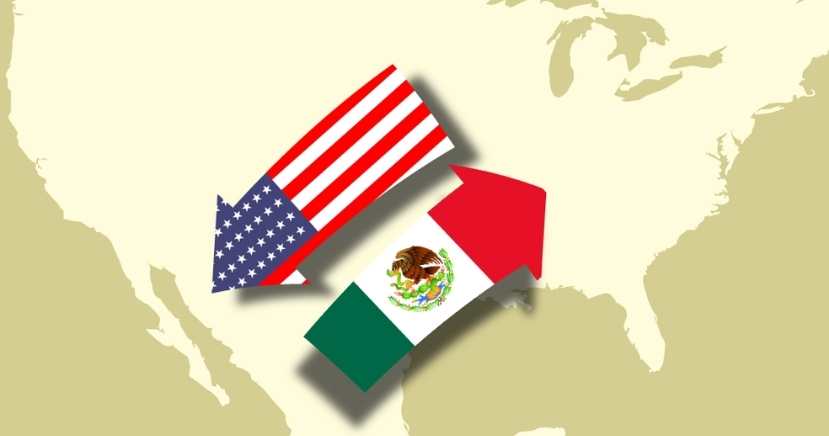
Importing products into the U.S. from Mexico
When choosing a company for import, it should be kept in mind that not all countries are created equal. Every country has different rules and regulations. Numerous elements can influence a country’s viability as a source of origin for the products you want to import. Regulations on what you can import, tariffs on commodities, and where you import them from are examples of this. Additional factors such as the cost and length of time it takes to deliver products play a significant role as well. Importing products from Mexico to the United States is often favored by many businesses as compared to other import countries, and with good cause.
Importing products from Mexico has several advantages. On almost all products imported from Mexico to the United States, there are no import duties. Some products still have import duty, but it is at a reduced rate that is still less than it would be if they were imported from another country. Due to its proximity to the United States, Mexico has a shorter turnaround time than many of the other importing countries. Because Mexico and the United States share time zones, it can be much easier to communicate rapidly with Mexican partners.
While many consumers prefer to have their products made solely in the United States, things made in North America have a generally favorable consumer response when compared to products made in other nations.
Customers and Border Protection (CBP) establishes importation standards that apply equally to all firms, regardless of size or industry. CBP clearance is required for companies wishing to import goods from Mexico and other countries. This approval is granted based on whether the items you’re trying to import comply with particular rules and regulations.
The CBP examines and evaluates all products entering the country through a process of examination, appraisal, evaluation, and classification. It also investigates many imports coming from Mexico for national security reasons. The inspection checks many elements (such as goods’ value, labeling the requirements for the goods, presence of prohibited items, perfect invoicing of the goods, matching goods’ quantities to the invoices). Goods are classified and evaluated by a commercial importer or customs broker before reaching the entry point. Proper classification and labeling are essential to ensure that the correct rules are followed.
There are various restrictions on bringing goods into the United States. This includes restrictions on certain types of products, such as agricultural products, weapons and ammunition, food, pharmaceuticals and cosmetics, and other types of products. It is important to know whether the product is regulated by a partner government agency (PGA) such as the FDA, EPA, USDA. If the product is regulated by another agency, there are additional restrictions you need to be aware of.
CBP does not require an import license from a company that imports goods into the United States. However, customs bonds are effectively a contract required for imports of $ 2,500 or more. It is also needed if the content of the program needs to be regulated by a partner government agency. There are two types of customs obligations. One is a single entry and the other is continuous. USMCA is one of the biggest advantages of importing from Mexico, as many products can be traded abroad tax-free. For a product to be subject to discounted duty or tax exemption imports, it must include information to prove that the product meets certain eligibility criteria.
Copyright 2021 – Mexicosourcingservice.com – All Rights Reserved
Road Transport in Mexico
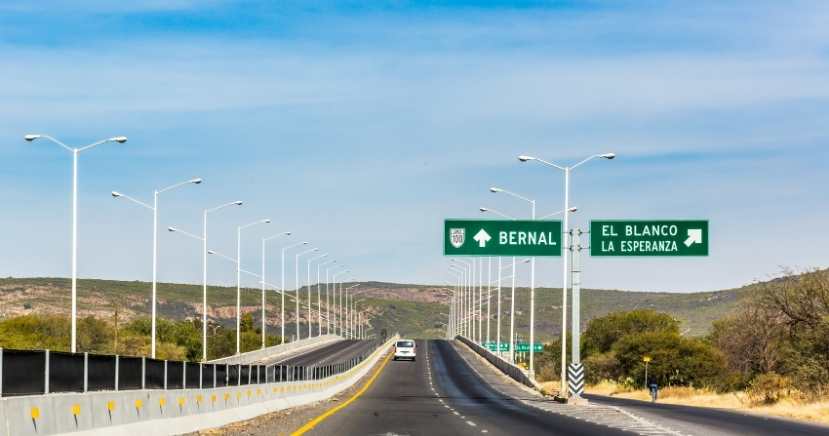
Mexico has struggled to build an integrated transportation network for the country’s diverse landscape and developing economy. This is because there is a lack of good rail and road connections from east to west through some parts of Mexico, particularly in the north of the country. It was one of the first countries in Latin America to promote railroad development, but the previously state-owned railroad system is inefficient. However, significant improvements have been made since the government privatized the system.
Road freight is the main means of transportation in Mexico. Most of the passenger and freight movements are through the highway system by interstate buses and land transport. In 2019, road freight transport accounted for 76.3% of total inland freight transport, followed by rail and inland water transport (17.6% and 6.1%, respectively). It moved 83.2% of the gross domestic product, contributed 3.96% to gross domestic product (GDP), and generated 2.73% of national employment.
Manufacturers are heavily reliant on road transport. Of 152,487 companies, 97.2% are classified as micro and are scattered around the country meaning that point-to-point movement of goods can only be managed via the road system. Like railroads, all major highways lead to Mexico City. Some connect the northern border town with the capital, while others connect the Yucatan Peninsula with Guatemala with Mesa Central. The PanAmerican Highway runs from Ciudad Cuauhtémoc on the border with Guatemala to Nuevo Laredo on the border with the United States, passing through Mexico City.
Many highways have been improved, but Mexican roads are barely sufficient to meet the needs of the country. Many traffic accidents are caused by holes in mountain roads and missing guardrails. Moreover, dangerous traffic is mixed on many roads, including overloaded trucks, cars, pedestrians, bicycles, buses, and even grazing animals in some areas.
Copyright © 2021-2022 MX Sourcing Services All Rights Reserved | Terms & Conditions | Privacy
Mexicosourcingservice.com

Mexico/U.S. Border Crossings
Mexico is the largest trading partner of the U.S. and the two share a 1,969 mile border. Around $600 billion in automotive, machinery, electronics, consumer goods, medical instruments, and other goods move across the border every year. The following data offers great insight into the busiest freight border crossings between the two countries.
83% of the cross-border freight is moved by trucks. The following data is from the U.S. Department of Transportation.
Truck Containers – 2020
Total U.S.-Mexican border 6,350,338
Total top 5 gateways 4,759,630
Laredo, TX 2,302,913
Otay Mesa, CA 942,835
Hidalgo, TX 666,859
Ysleta, TX 454,256
Calexico East, CA 392,767
Note: Truck Container data represent the number of Truck container crossings, not the number of unique vehicles. Data are for both loaded and empty truck containers.
Rail Conatainers – 2020
Total U.S.-Mexican border 1,014,873
Total top 5 gateways 1,005,509
Laredo, TX 474,766
Eagle Pass, TX 334,512
Brownsville, TX 69,784
El Paso, TX 68,388
Nogales, AZ 58,059
Note: Rail Container data include both loaded and empty Rail containers.
Further data sourced from Wikipedia gives insight into the people dynamics of this border which has around 350 million legal crossings each year. It is no surprise to learn that around 12 million people live in those counties and municipios lining the border on either side.
Many people live on one side and work on the other. From west to east, below is a list of the border city “twinnings”; cross-border municipalities connected by one or more legal border crossings.
Truck Containers – 2020
Total U.S.-Mexican border 6,350,338
Total top 5 gateways 4,759,630
Laredo, TX
2,302,913
Otay Mesa, CA
942,835
Hidalgo, TX
666,859
Ysleta, TX
454,256
Calexico East,
CA 392,767
Note: Truck Container data represent the number of Truck container crossings, not the number of unique vehicles. Data are for both loaded and empty truck containers.
Rail Conatainers – 2020
Total U.S.-Mexican border 1,014,873
Total top 5 gateways 1,005,509
Laredo, TX
474,766
Eagle Pass, TX
334,512
Brownsville, TX
69,784
El Paso, TX
68,388
Nogales, AZ
58,059
Copyright © 2021-2022 MX Sourcing Services All Rights Reserved | Terms & Conditions | Privacy
Mexicosourcingservice.com

Get your products made in Mexico before it’s too late! Let’s get started!
Seaports in Mexico
Mexico has various ports and many rail connections link these ports directly to the northern and central parts of the main cities (Monterrey, Saltillo, Reynosa, Guadalajara, etc.) of Mexico. There are 28 seaports located on the Atlantic/Caribbean side, and 13 on the Pacific.
Top 5 Ports
1. Manzanillo is in the state of Colima and handles the Pacific Ocean cargo for the Mexico City area. Most imports destined for central Mexico come through the port and it acts as an important port for Asian importers and exporters. It is a major port for tuna fishing vessels and handles container, dry bulk, and liquid goods. 2019 TEU volume was 3,078,505.
Most of the port’s exports are shipped to neighboring United States, Canada, Guatemala, and Colombia, but also to farther off countries including Japan, China, India, Malaysia, and Singapore.
2. Lazaro Cardenas is the largest Mexican seaport and one of the largest global seaports in the Pacific. This deepwater seaport is equipped to accommodate post-Panamax vessels and handles containerized cargo, dry bulk, and liquid cargo. Its TEU volume in 2019 was 1,314,798.
Due to congestion at the US west coast ports of Long Beach and Los Angeles, the Port of Lazaro Cárdenas is sometimes used as an alternative gateway for shippers looking to reach US markets, making it an important container facility. The port is well-connected to Mexico City, located just some 620 km away, and the US through the Kansas City Southern de Mexico rail network.
3. Veracruz is located on the Atlantic and is the oldest and largest port of Mexico. It is a major shipping hub for the U.S. and European markets, as well as a major automobile port. 2019 TEU volume stood at 902,520. The port has many through connections via well-connected railways and highways, serving all of central and southern Mexico.
Given its strategic location on the Gulf, it provides ocean freight services to North, Central, and South America, Europe, and Africa.
4. Altamira is an important port for Mexico’s northwestern area, located in Tamaulipas on the Gulf of Mexico. It is accessible to all major regions by railway and has a big industrial park close to the port, making it a suitable location for oil and energy industries. The land routes and railroads connect the port directly to the northern and central parts of the country. This includes major cities such as Monterrey, Saltillo, Reynosa, Guadalajara and Mexico City.
Half of its cargo has origins and/or destinations in the port’s northern zones of Tamaulipas, Nuevo León, and Coahuila, whereas 28% go to or come from the central regions of San Luis Potosí, Zacatecas, Jalisco, Guanajuato, and Querétaro. 2019 TEU volume was 820,092
5. Ensanada is a deepwater port on the western coast of the Baja California region, just 110km from the US state of California. It has cargo and cruise terminals and handled 272,258 TEU on 2019. Most volume is from Asia, North America, and South America.
It is well connected though high volume, offering direct connections to the cities of Tijuana, Tecate, and Mexicali, which are major US border crossings.
Copyright © 2021-2022 MX Sourcing Services All Rights Reserved | Terms & Conditions | Privacy
Mexicosourcingservice.com
What is a Maquiladora?
The term maquiladora refers to a factory or manufacturing plant in Mexico. These corporations are approved for operation by the country’s Secretariat of Commerce and Industrial Development under a decree established in 1989 and are owned by foreign entities.
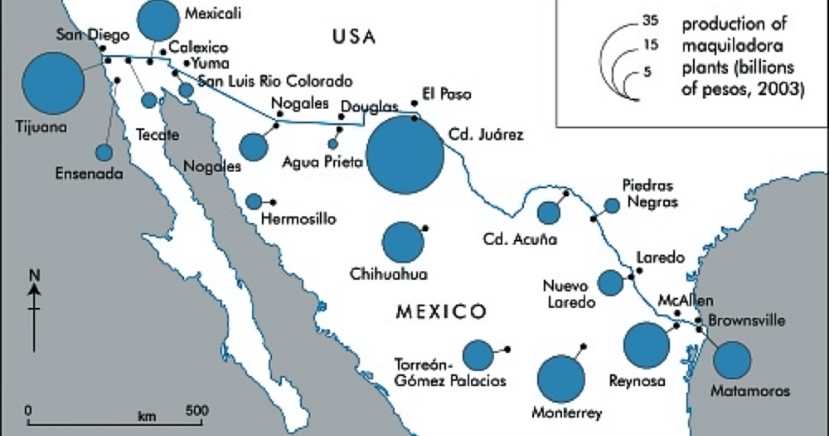
Maquiladoras were first developed in the 1960s as a way to encourage foreign investment and address unemployment. As such, they usually operate near the US – Mexico border. Companies that operate under the maquiladora model are able to take advantage of numerous benefits. The products manufactured by these factories are normally exported beyond the Mexican border.
As noted above, a maquiladora is a factory located in Mexico but owned and run by a foreign entity. The first plants of this kind were established in 1961 to help stimulate the domestic market and attract foreign investment. Many of these companies are located along the United States-Mexico border. The structure of a maquiladora system is set up so that the parent company is located in the United States while the manufacturing operation or factory is located in Mexico.
The Mexican Secretary of the Economy determines whether a plant is officially considered a maquiladora. This official designation is important because it qualifies the plant for unlimited foreign capital investment and duty-free imports. Duty-free imports apply to the raw and semi-finished materials shipped after manufacture or assembly, as well as to the machinery used in the manufacturing process.
The factories that participate in the maquila program, which are also known as twin plants, manufacture a variety of goods. In fact, there are thousands of maquiladoras that produce everything from clothing and consumer electronics to cars, drones, medical devices, and aircraft components. Export may be direct or indirect, whether that’s through the sale of products or shipping through another factory or export company.
These factories have certain tax advantages that make them attractive to businesses. Companies can capitalize on a cheaper labor force in Mexico and also receive the benefits of doing business in the U.S. The presence of maquiladoras contributed significantly to the industrialization of the Mexican-American border.
Although maquilas can open anywhere in Mexico, they are not permitted to operate in highly congested parts of the country, including Guadalajara, Mexico City, and the Monterrey urban areas.
As noted above, there are a number of benefits that come with establishing a maquiladora. We’ve listed some of the most common ones below.
The first and obvious advantage is the economic benefit that comes with establishing maquiladoras for Mexico as well as border cities and states where they may be located. Once these factories are set up, they provide a source of labor for local residents and can help boost the local economy. Maquilas effectively help industrialize border cities in Mexico that may otherwise be characterized by high unemployment.
The economies of border cities and states also benefit because of the administrative centers that are set up on the U.S. side, as well as the transport and customs services that result from import-export operations.
Companies can take advantage of lower costs and tax benefits by setting up maquilas. Labor costs are fairly low in Mexico, which makes production cheaper. That’s because there’s a larger labor pool that may be looking for work..
Maquilas also help companies cut down the costs associated with tariffs and duties. For instance, companies are exempt from the 16% value-added tax (VAT) on raw materials used for production. They are also exempt from paying duties when they export goods marked “Made in Mexico” to Canada and the U.S. This is because of the trade relationship that exists between the U.S. and Mexico under the U.S.-Mexico-Canada Agreement (USMCA).
Border towns are commonly known for high unemployment rates, where people are actively looking for work. Setting up a maquila in a Mexican town gives companies access to a greater and cheaper labor pool. Although many of the people available for work may be unskilled, it gives workers a chance to transition to the skilled category.
Aside from a few exceptions, maquilas can be set up anywhere in Mexico. But from a logistical standpoint, it makes more sense to establish a presence along the border of Mexico and the United States. Many maquiladoras are also strategically located close to airports, roads, railroads, and shipping ports.
Proximity helps lower costs, including transport expenses, and improves supply chain management. For instance, a company may decide to locate the parent company in San Diego and the plant in Tijuana rather than setting up a shop in Detroit and Matamoros.
This blog is an abridged version of that written by Investopedia and we acknowledge with thanks their permission to use their content.
Copyright © 2021-2022 MX Sourcing Services All Rights Reserved | Terms & Conditions | Privacy
Mexicosourcingservice.com